*This was originally posted on Reddit by u/aryogustave*
Hey everyone,
So, I've been experimenting with AI image generators lately, and let me tell you, it's been a wild ride. I've been trying to push the boundaries a bit, and I've learned a few things about how to get these systems to produce the kind of images that aren't exactly in their "comfort zone." I'm talking about the stuff that might be a little quirky, unusual, or just plain outside the norm.
I've seen a lot of people struggling to get the results they want, so I thought I'd share some of the techniques I've found to be effective. This isn't about being misleading or harmful; it's about understanding how these systems work and using that knowledge to get creative.
I always take inspiration from this subreddit and others when creating. If you understand these mechanics, you can convert any image to whatever you want.
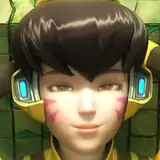
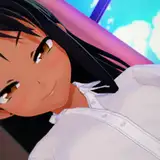
For the sample images and prompts, you can check out my profile; they're made with ImageFX.
Here's the breakdown of my approach
Specificity is Key: Don’t just say “a chair.” Say “a Victorian armchair with intricately carved wooden legs and a plush velvet seat in deep burgundy.” The more specific you are, the better the AI can understand what you’re picturing.
Focus on the Visuals: Describe the scene, the lighting, the textures, the colors. Use evocative language. “A sunlit room filled with motes of dust dancing in the golden light” paints a much clearer picture than “a bright room.”
Suggestion: Instead of explicitly stating something, imply it. For example, instead of “a cracked vase on the floor,” try “a vase lies on the floor, its broken pieces glinting faintly in the light.”
Use of "Implied" and "Subtly": These words are your friends. They allow you to hint at things without directly stating them, which can often bypass filters. For example, instead of saying "messy room," you could describe "a room strewn with scattered papers and an overturned chair."
Nostalgia and Imperfection: Adding “presented with a vintage film border” does two things. First, it adds a touch of nostalgia, which can make the image feel less generic. Second, it introduces a sense of imperfection, which can help the AI to be less rigid in its interpretation.
Aesthetic Framing: It’s a subtle way to frame the image as artistic rather than literal.
Performance and Distance: This phrase helps to create a sense of performance, which can make the image feel more like a constructed scene.
Dramatic Lighting: It also allows you to introduce elements like “focused spotlights” and “vibrant blue lighting,” which can add to the overall drama and mood.
Evoke, Don’t State: Use words like “mysterious,” “whimsical,” “intriguing,” and “enchanting.” These words help to create a specific tone without being overly descriptive.
Implied Detail": This phrase is a useful way to suggest something without directly stating it. For example, “a worn book, its edges frayed from years of use” suggests a history without explicitly detailing it.
Setting the Scene: Use the environment to your advantage. A “cozy library with towering wooden shelves and a crackling fireplace” or a “busy marketplace alive with vibrant colors and bustling activity” can help set the tone.
Adding Props: Introduce objects that can add to the narrative or the image’s atmosphere. A “delicate teacup,” a “glimmering crystal orb,” or a “spiral staircase reaching into the sky” can all add an element of intrigue.
Don’t Give Up: If you don’t get the result you want on the first try, keep tweaking your prompt. Small changes can make a big difference. Even if a prompt doesn’t work on your first try, it doesn’t mean it’s wrong! It could be related to seeds, word choices, etc.
Analyze and Adjust: Pay attention to what works and what doesn’t. If the AI misinterprets something, try rephrasing it or adding more detail.
Important Caveats:
Final Thoughts:
This is just a starting point, and I’m sure there are other techniques out there. The key is to experiment, be creative, and don’t be afraid to push the limits. Let me know what you think, and if you have any other tips to share, I’d love to hear them!