FINAL DRAFT
Added 2018-03-31 14:50:12 +0000 UTCA Guide: For Selling & Buying Commissions
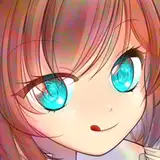
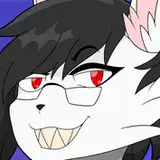
Opening: Panning shot for 30 seconds of art wall. Sticky notes beside pictures to source each piece and or cover up those who dont wish to be seen (and to cover up any suggestive content)
Narration: Ive spent a little less than 1,000 dollars on commissions.
Video Text: Links to all the artists who drew these in the description; always credit your artists, people.
For a decade now, Ive been buying and selling commissions. Thats a lofty fee for vanity, but its totally freaking worth it. Likewise, Ive made just about as much SELLING art of my own over the years. Hopefully this illustrates that Im qualified to talk about this subject, or at the very least gives you some inkling of how much I just really love art in general.
Shot: Dump out my own old art folder on the ground
Narration: Im not just trying to flaunt my abilities; although, I would be lying if I said this wasnt similar, in some way, to someone showing off their impressive stamp collection. Ive seen a ton of confusion all around (especially on Tumblr) about pretty much everything regarding the exchange of money and art from both sides. Id like to apply my experience to a comprehensive guide, for both artists and non-artists, to make the entire commission process a lot more accessible. Keep in mind this will be a very basic visual guide, and I wont go into too many details about the subjects (like what makes a good reference and so on).
So, without further delay, my name is Deku, and here is a basic guide to buying and selling art!
Note: From this point forward, no other assets but ones I make myself will be used.
_________________________________________________________________________
The Client Side
Finding the right artist in your price range isnt as tricky as some might have you believe. Every social media brand has a preverbal army of folks open for paid work. One need only search for key words like commission in any engine and youll find examples immediately. If you dont follow an artist actively, I highly recommend checking out all their galleries or portfolios, first, because you can get a feel for their style and limitations. Some artists specialize. For example, someone who draws mechs a lot will be a good operative for drawing artificial materials or machines. Someone who draws furries ? You get where Im going with this. Not everyone can draw everything, and thats totally fine! There is enough variety online to fit whatever niche is best suited for your project.
Most artists looking for work will have a comprehensive price sheet. Be sure to look over it thoroughly to see how much you are expected to spend. Typically, the more time that goes in to a piece, the more it will cost. Similarly, a professional in the industry with credentials will expect a professional price to match. You should be prepared to save up for paintings with elaborate or extravagant demands, and you should NEVER anticipate compromising with an artist for a lower price will be successful. Its rude, unethical, and you have no right to question how much they value their time. If you dont think their goods are worth the price, I promise you can find another artist willing to work for your budget range.
When commissioning an artist, you should be wary of long reply times. The unfortunate reality is that scammers will always be attracted to any lucrative and relatively consequence-free medium. A potential risk to have your money stolen is there--but fear not! The best way to evade this is to check how often they post commissions, how quickly they respond to emails, and how willing they are to work with you; you should figure out if they even post payed pictures at all. If commissions are being posted more than 6 months apart, this should be an immediate red flag for any potential buyer to exact caution and stay away. Although, an exception exists in complex animation work. Regardless, you must use discretion and be sure to scan rigorously over the gallery of anyone you intend to hire.
When contacting an artist, make sure you are polite. Try to be understanding of skill, time, and style restraints. Remember, at this point, you should have familiarized yourself enough with the artists work to understand what they can and cannot do based on what you are paying for. Beyond that, you are speaking with another human being. Sometimes we get sick or busy, so please try and be patient.
When emailing references, be sure they are easy to interpret visuals from. If you dont have a ready picture of the subject youd like drawn, try to include real life source materials, instead, that way the artist has something to support with idea interpretation. Written descriptions are a fine replacement as well, but try to keep these short, sweet, and to the point. Avoid purple prose, please. These are things like fancy lingo and elaborate speech. As lovely as creative writing can be, if your goal is to have something specific, blunt descriptions are best.
During the creation process, some artists will give you an in-progress shot to see what you think. If they allow alterations, be very clear in what corrections youd like repaired to avoid artists recreating an image multiple times, as this can be frustrating on both ends. Oftentimes, the result of this bickering will be a far inferior product than desired. It is also best not to deviate from the pose or subject you originally described, as this can be very irritating or time consuming for the artist. For example, if you said, I want my buff dog man sitting down giving a thumbs-up, and the artist forgot to draw said dog man giving a thumbs-up, it would be perfectly acceptable to remind them to look back at your original description and remedy the complaint. On the flip side, it would be unreasonable to say actually I dont like him sitting. Can you have him running instead? If you do this, CONGRATULATIONS! Youve just wasted both the artists and your own time by not having a concise idea of what you wanted before contacting.
Make note that some artists do not give in-progress shots and will only continue with what they interpret from your demands, without the hassle of potential alterations. This is fine, as well, but be prepared to accept the artists vision even if its not a precise rendition of your imagination. Be sure to double check an artists commission information to see how they work and decide for yourself if their methods are ones youd be fine with. Personally, I enjoy seeing someone elses vision if their style permits lots of creativity.
After all the necessary steps, youll have your shiny new vanity piece! CONGRATULATIONS (*use melee voice*).
Now, after determining your vision, finding the appropriate artist, and coordinating together through the creation process, what do you do with the final product? Print it? Post it? Save it as your wallpaper? Regulations depend largely on the artist, but a crucial rule of thumb is to never repost their work, even if you bought it (namely without permission or credit from the artist, of course). Keep their name on hand and be willing to shout out to the mountains about the experience you had. The best way to help the commission economy, aside from commissioning and donations, is lip service! If you liked a piece, share it. Hopefully this will encourage others to spend disposable income on a growing niche! By following this advice, the rest of your experiences should be golden!
_________________________________________________________________________
THE ARTIST SIDE
Before I delve in to the meat of the process, Id like to give some advice to NEW creators. Trust me, Ive been there myself and made a ton of mistakes. Hell, I STILL make mistakes. However, Im here to help you not retread those same missteps
.
This might be a little bit of a controversial thing to say, but
I do not believe every artist should offer commissions; this is especially so if they are just starting out. Before you brandish your clubs and torches, allow me to elaborate: as an amateur, it is in your best interest to focus on learning the basics anatomy, color theory, silhouettes, et al.---for drawing folks OCs constantly wont exactly improve your range or knowledge. Besides, there are plenty of avenues artists can proceed through to assist in this matter. Black and white figure studies are boring as shit, but theyll rapidly increase your basic understanding of shape. Accuracy exercises* (check with sister for correct term) can sometimes feel useless, for drawing straight line after straight line isnt exactly stylish, but it assists in strengthening your lines and makes for crisp, cleaner strokes later in your career. Both of these training methods are easily accessible and exist to serve the artist in developing skill and ability. Now, as much as it is recommended to pursue multiple drawing exercises, no potential customer is going to pay you money to draw two of many helpful self-improvement exercises. In fact, Id wager no one will pay you for any of them. Unless you are still in school and dont have a job, its likely you wont have time to fit in both paid work, exercises, and VITAL personal time with art.
Today, a considerable chunk of American workers works dual jobs and suffer major energy and time constraints. With that type of two-job background, artists are technically working THREE jobs when they take on commissions. To expand: doing commissions SHOULD be considered a job as well due to how they not only contribute to the economy, but the efforts are a core part of their living expenses. You, the artist, are counted among the independent contractor force that takes up around 15.8% of the U.S. work force, or the non-traditional job market (Parker; Morin, par. 55); thus, your time and efforts are significant and have considerable value, financially. Even something you enjoy or take passion in is a job. For artists, art is a job.
Performing art does require mental and physical energy despite what some people will argue about burnout not existing or mattering for a passion you clearly enjoy. Do not buy in to that uneducated garbage that burnout doesnt exist. It does. Exposing yourself to exchanges means you wont always be able to draw things you want to or even like, but when you inherit that kind of work when your passions strength is waning, you are more likely to fail the task. This habit of mental taxation kills your passion when time allotted to personal projects is not separated from business responsibilities. To illustrate, say if you were payed to eat cake every day; something sweet and delightful elicits enthusiastic response on a high sugar-fueled levelmeaning excessive loads of work in lucrative amountswhich leads to great highs, but if one were to indulge at excessive speeds and amounts, the intake would build and build, in droves, until it all eventually implodes as vomit all over the floor, with this analogy. The vomit is burnout; if the output of work is not controlled, it exceeds your human capabilities as an individual under pressure rather than an inspired artist with a sudden, dramatic increase in motivation and inspiration. A balance must be drawn between both.
Try to pace yourself. Open finite slots and retrieve only as many as you think you can handle. Having a backlog of commissions 20+ people long can be overwhelming for you and frustrating for people waiting actual years for their turn to come around. If you can avoid being rushed, do it. The quality of your work will thank you. Stress makes a poor product. Always invest in quality over quantity.
If you dont need commission income and you are still learning, I strongly advise against doing paid work until you are confident and solidified in your own style and ready to take on the pressure of a work load. Of course, the exception will always be financial strife, but its pivotal to enjoy at least some facet of your trade. Dont let yourself stagnate. Draw self-indulgently when you arent studying from references. Even if you lack the luxury to dismiss commission work, remember that drawing for someone else is its own objective, but this talent initially burgeoned for one individual and one individual only: you. You should ALWAYS consider your own mental health first even if you have no choice but to live off your talent. Take breaks, stretch your hands and wrists every time before you draw, and dont neglect personal projects.
With that aside, the HOTTEST OF TOPICS regarding commissions is price points, or the appropriately estimated cost of an artists work. There isnt and shouldnt be one universal starting point, because the value of art is entirely subjective. My best advice would be to price yourself on what you think your time is worth. Possible pay rates can be based on hourly estimates, complexity, competition, flat price, and a plethora of others. Choose whatever method will work best for you, but you must remember to stick to it. I highly recommend looking at other creators and their facilities; not only will this help you improve, but the techniques and artistry will give you reference for how you value your own work. Look at other commission sheets and consider how much time you spend rendering. The pressure to undercut is real in such a saturated market. Never lower your prices once they are set just because no one is inquiring or interested. This hurts the perception of how much art is worth as a whole, and it might lure in an unsavory crowd who will try and haggle you with fraudulent intentions. Just like fishing, there is always some critter in the pond wholl want your worm if you wriggle it enough.
Although, this pond is filled with more rods than fish (if we are going to continue with the LAKE metaphors). The pool of creators selling their talents is exponential, and you will still have to compete against them. Some will already have gained traction in the industry and possess differing levels of skill. This can be discouraging but remember: networking and social media are your best tools for getting your information out there. Dont be afraid of reposting your information at least once a day, on as many networks as possible.
Having a good commission sheet will be pivotal in your success. Be sure its easy to understand by using simplistic fonts and an organized layout. Include examples of your work; use various price brackets for organization and make sure your business email is visible (having a business email directly connected or linked to your Paypal is advisable). Likewise, I recommend making your terms of service front and center, so costumers will be more inclined to look at the most important information first.
Define with clarity your restrictions and parameters on things you will refuse drawing. Your comfort is key and takes priority over the customers commission. However, this matter is less carved in stone as it is determined by present variable. This is difficult to precisely decipher, as comfortability often changes with time from artist to artist; oftentimes, growth as an artist will refine or restyle an artists work and limitations, and certain boundaries artists had before might not be the case anymore.
Detailing briefly what a customer should expect when working with you is helpful, especially if you dont like to provide in-progress shots or offer corrections to inaccuracies. Also, it is recommended to specify how many times youll be inclined to make alterations, since some clients can really go overboard or might lack clear and concise ideas of the product desired in the first place.
Is a business email required to take commissions online? ABSOLUTELY. Its easier to keep things organized in an email or document as this will automatically give you lists and dates in a comprehensive list. Do not take references over social media! Its so easy to lose track of all the information that way. Additionally, you wont be able to save a non-gimped image.
Speaking of gimps, always save your images as a Portable Network Graphic, or PNG. A Joint Photographic Experts Group, or JPEG, is low resolution and will compress and blur your art! PNG is just as universal, about the same file size, and does not compress the work! Artists, familiarize yourself with these two terms, and make sure you can clarify their distinct differences.
Paypal is pretty much universally used for online transactions. I recommend making a business account, so you can send invoices. These can be printed out if you need to report on earnings for taxes, and its just a helpful way to keep track of whos paid and who hasnt if you are handling multiple clients at once.
There are a lot of horror stories about people robbing artists of their work; unfortunately, this is a reality all artists are never wary enough about. Its up to you when the client pays. However, you should NEVER take payment AFTER the full piece is completed. Scammers will be more inclined to run off with free art. To prevent this, I recommend charging right off the bat or after a sketch---AKA a rough draft or partially finished product---is complete. Some artists even have clients pay in brackets of rendering, or by steps of product completion. Ultimately, its up to your discretion which method fits best.
Another thing to be wary of is people trying to haggle with the intention of cutting price ranges. This could indicate they wont pay you for work at all. Id suggest not taking work from these sorts of people and cutting off contact as soon as possible, both for your own sanity and your wallet. Similarly, you should never draw art for free unless it is strictly your own choice or sentiment. Even then, it is debatable as far as being a tolerable action and leads to unhealthy dispositions. Listen, I know requests are popular, but you should never feel obligated to them. Additionally, opening them up warps peoples expectations of what the overall worth of art is. Requests are an act of generosity and are never formally agreed upon by payment; thus, the privilege should be treated as a privilege and not a formal commission. Dont open yourself up to the shit show that is people demanding your work for free; make your voice clear on the subject, for you hold chief authority of your work.
Now, assuming youve been paid for work, youll be ready to start the process once youve gotten an email full of resources. I recommend always keeping pictures and descriptions up all the time, throughout each step. Its easy to forget demands or features of a character that isnt yours. If you dont have a second monitor, printing things out will work. If thats not an option, tabbing between is acceptable if a bit disorienting. Constantly having the prompt information up will help in keeping corrections at a minimum, hopefully, and assist in streamlining your process. When you are finished, it should be common courtesy to email the full file to the client, so they have a high-resolution copy to print out for decoration or to use as a desk top background if theyd like. Making a commissioner download an image off deviant art or Tumblr themselves will bunk up the resolution, and thats disrespectful of the customer and unprofessional as a creator. As the artist, it is still human duty to be considerate of your client.
_________________________________________________________________________
Hopefully this guide will get passed around and make the commission economy a little more efficient and orderly. I love the fact artists can live off things they love while being supported by all classes. Art is important, both on the audience and the creator side. Although the two dont always understand each other, I hope my experience on both ends will bridge the gap somewhat. Questions? Comments? Id love to hear what you have to say about this! Maybe Ill do another video if there is a need, or if any of the above points stated receive particular interest or query. Until next time, though, this has been your guide! No matter what, keep drawing and have a good one. Deku out!